
Online vs Live Poker: How Players Adjust Strategy for Different Formats
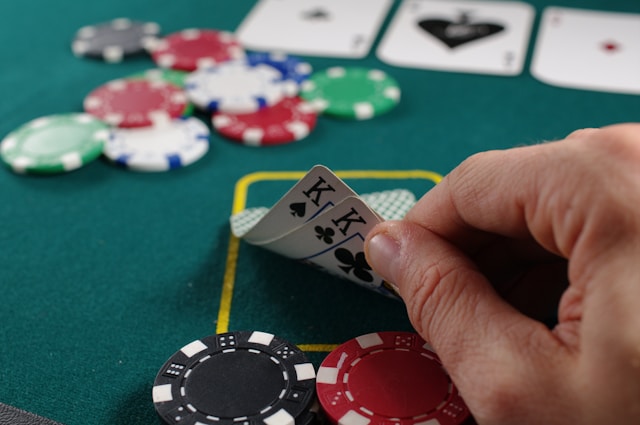
Source: unsplash.com No Attribution Required
Poker is a game of skill, strategy, and psychology, but the way it is played online differs significantly from live, in-person games. While the core rules remain the same, the environment, pace, and available information can change a player’s approach dramatically. Understanding these differences is crucial for anyone who wants to improve their performance in both formats. Players must adapt not only their tactics but also their mindset depending on whether they are facing opponents at a live table or behind a computer screen.
The Pace of the Game
One of the most noticeable differences between online and live poker is the pace. Online games typically move at a much faster speed, with hands dealt in rapid succession. While many poker players still wager in person, many are opting to play online at local or international sites to take advantage of the quick pace. In particular, offshore poker sites not on GamStop have grown particularly popular in recent years. These sites have begun attracting players because of their wide range of poker variants, large bonus offers, and flexibility. When playing online, multi-tabling, where a player participates in several games at once, is also common. This requires quick decision-making, strong focus, and efficient use of software tools. Players often rely on preset strategies, statistical data, and probability calculations to make decisions swiftly.
In contrast, live poker tends to be slower and more deliberate. Players have more time to think about each hand, observe opponents, and gather information from physical cues. The slower pace allows for deeper psychological strategies and a more measured approach to betting. Adapting to the pace is essential; a strategy that works online may be too fast or aggressive in a live setting, while live strategies may be too slow for the online environment.
Reading Opponents
Reading opponents is a core skill in poker, but the method differs depending on the format. In live poker, physical tells play a significant role. Facial expressions, body language, and betting patterns provide information about a player’s hand and confidence. Experienced live players learn to interpret subtle cues such as hesitation, chip handling, or changes in posture. These non-verbal signals can offer an advantage in decision-making, allowing players to anticipate actions and adjust their strategy.

Online, these physical tells are absent. Players rely on timing, bet sizes, and patterns in play to understand opponents. Tracking software and statistics provide insights into tendencies and behaviour over time. Skilled online players analyse how often opponents bluff, fold, or play aggressively in certain situations. Adjusting strategy online requires greater attention to patterns and probabilities rather than physical cues.
Strategy Adjustments
The differences in pace and opponent reading naturally lead to adjustments in strategy. Online poker often encourages a more aggressive style, as the faster game allows players to capitalise on weaknesses quickly. Bluffing may be more frequent but needs to be carefully timed, as experienced opponents can detect patterns in online play. Positional awareness and pre-flop strategy are also critical online, as each decision must be calculated efficiently to keep up with the rapid pace.
In live poker, players may adopt a more patient and observational approach. Bluffing is nuanced, often combined with physical behaviour to mislead opponents. Players may vary their style over long sessions, using psychological pressure and table image to influence decisions. The slower pace also allows for strategic adjustments based on real-time observation, making flexibility and adaptability key traits for live players.
Managing Emotional and Cognitive Load
Online poker requires managing a high cognitive load. With multiple tables, fast-paced decisions, and constantly changing game dynamics, players must maintain focus for long periods. The risk of fatigue and mental errors is higher, so online players often develop strict routines, take breaks, and use software tools to track performance and reduce mistakes.
Live poker, while slower, comes with its own emotional challenges. Players are exposed to the social atmosphere of the table, face-to-face interactions, and the pressure of physical presence. Emotional control, patience, and the ability to hide reactions become important skills. While online players rely more on technical and statistical analysis, live players must combine these with psychological resilience.
Combining Skills for Success
Successful poker players often excel in both formats by recognising the unique demands of each. Online skills, such as statistical analysis, rapid calculation, and pattern recognition, complement live skills like reading opponents, patience, and psychological strategy. Players who can transfer knowledge and adapt strategies between formats are more versatile and resilient.
Moreover, the two formats can be mutually reinforcing. Online play offers the opportunity to practise and experiment with strategies without the pressures of a live table. Live play provides experience in reading human behaviour, managing social dynamics, and applying psychological tactics. By combining these skills, players develop a more complete understanding of the game.
Poker in Las Vegas
Poker in Barcelona
Poker in Rozvadov
Poker in London
Poker in Paris
Poker in Bratislava
List of World Poker Events
More interesting and useful articles from the world of poker you can read in our blog. Also search for poker clubs in the country or city, get to know about upcoming poker tournaments or cash games at PokerDiscover.com
If you liked the article, don’t forget to share it with your friend
* The content may include links to external sites relevant to the topic
* This article is for informational purposes only and does not constitute legal or financial advice
* Some content on this page may include promotional references to gambling services
* 18+ only. Please gamble responsibly