
Bluffing Tactics That Work: Timing and Table Dynamics
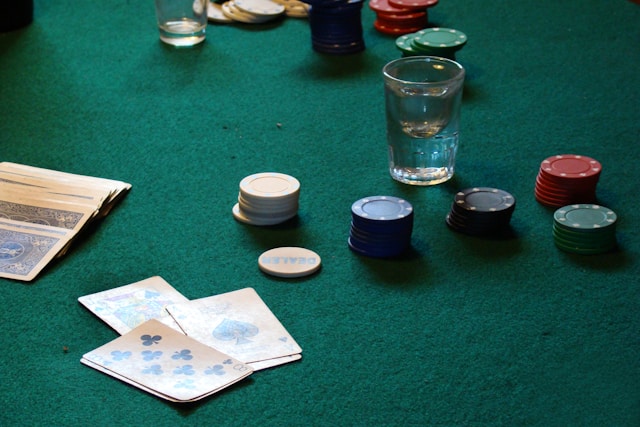
Source: unsplash.com No Attribution Required
Poker players around the world spend a lot of time, effort, and sometimes money perfecting their bluff so they can compete at the highest level. While many expert players will be able to pick up on tiny cues that would be imperceptible to the layman, the average player is not as difficult to fool as long as you know what you are doing.
Online poker is helping to change the game to some degree, with the best casino sites giving players the opportunity to hone their skills without the prying eyes of their competitors. While this can make a difference to how people play, there are still tactics that can be applied to bluffing that can help players.
Timing
Timing is everything when it comes to bluffing, and the best bluffs typically take place when the cards favour you. Examples of strong cards to bluff with include overcards like Aces and Kings on later streets, scare cards that help to complete the more obvious draws, and pair boards that can give you boats or trips.
Bluffing early can result in players calling just to see whether opponents are telling the truth, but later bluffs can force players to make real decisions. How your opponents behave can also signal when a good time to bluff might come up, with signs of weakness like double-checking cards and placing small blocking bets indicating that the player is considering folding, this can be a prime time to bluff and try to force their hand.
Table Dynamics
Table dynamics will determine the best people to attempt to bluff, with some best avoided and others worth targeting. Online and face-to-face betting will play a big part in table dynamics, but a good general rule is that tight, risk-averse, and protective players, as well as fit-or-fold strategy users, are good targets for players to bluff.
Players who are averse to folding, short-stack players, those who are emotional, and competitors who have drunk too much are not usually good bluff targets. Short-stack players are usually more aggressive than those with a bigger bankroll, while players who try to avoid folding create two barriers to the bluffer, one of knowledge and the other being principle. Drunk or overly emotional players can't be trusted to do the sensible thing in the face of adversity, so bluffing can be wasted on them.

Bet Size
Timing and table dynamics are not the only things worth considering when it comes to bluffing, with bet sizes being an important factor. Bet sizing should reflect the idea that you are trying to pitch to the other players. If the size of a bet is not what you would normally put on the hand you are trying to represent, this might stand out to opponents.
Conclusion
The best bluffers will have hours of experience under their belts, and new players should not try to run before they can walk. Taking the time to learn the intricacies of the game, different strategies, and practice bluffing should give players a good platform to grow from.
Poker in Las Vegas
Poker in Barcelona
Poker in Rozvadov
Poker in London
Poker in Paris
Poker in Bratislava
List of World Poker Events
More interesting and useful articles from the world of poker you can read in our blog. Also search for poker clubs in the country or city, get to know about upcoming poker tournaments or cash games at PokerDiscover.com
If you liked the article, don’t forget to share it with your friend
* The content may include links to external sites relevant to the topic
* This article is for informational purposes only and does not constitute legal or financial advice
* Some content on this page may include promotional references to gambling services
* 18+ only. Please gamble responsibly